

A Guide to the Manufacturing Process of Camlock Fittings
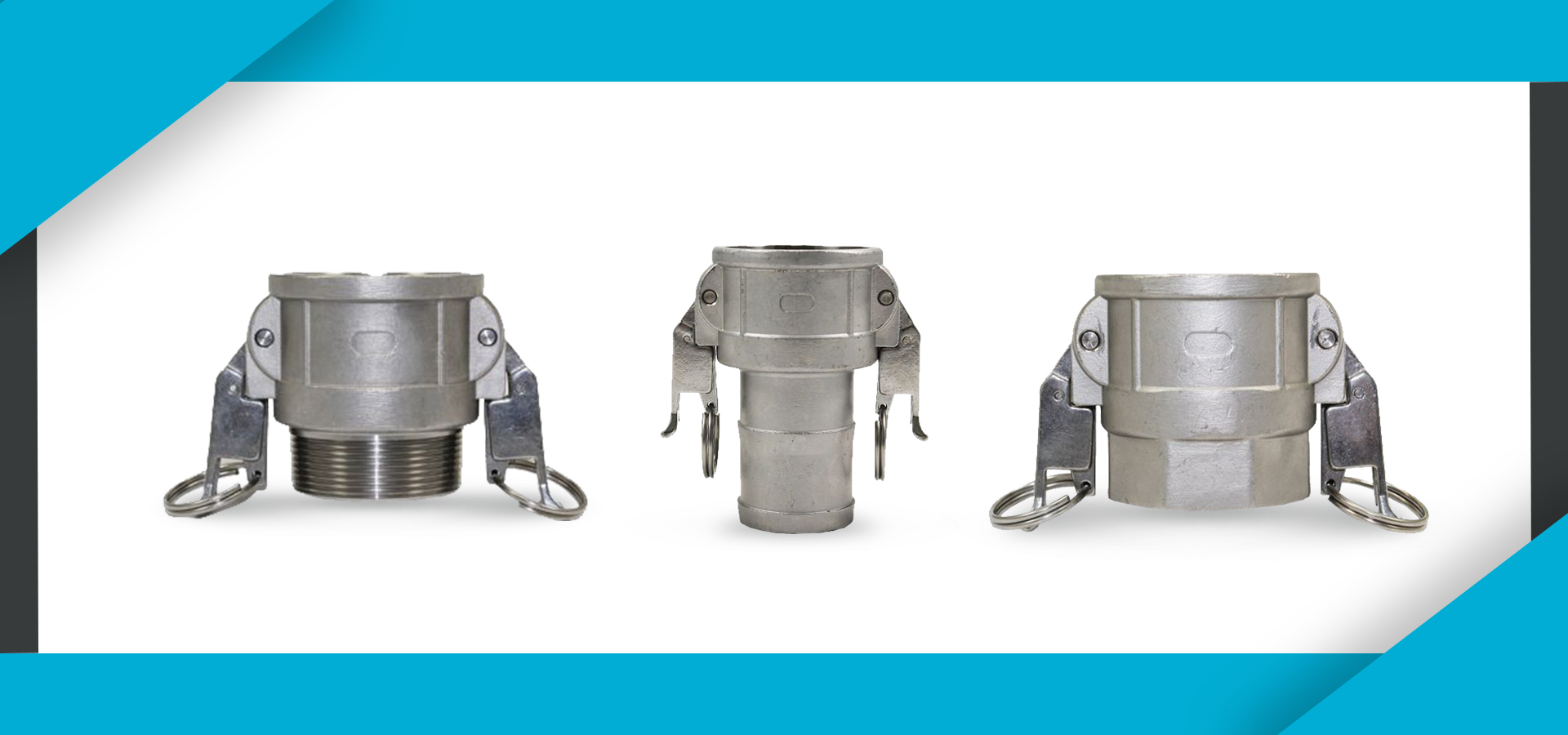
There's no denying that cam lock fittings are becoming increasingly popular in the manufacturing industry. Also known as cam and groove couplings, these fittings are essential in a multitude of industrial applications. Whether you are dealing with fluid transfer, fuel handling, or even working in the FMCG industry, these quick-connect fittings ensure a secure and efficient connection between hoses and pipes.
This is also why Cam lock fittings are manufactured from different materials to meet different industrial demands. They are manufactured in different materials, including aluminum, stainless steel, brass, and polypropylene, and each has its specific manufacturing process. We will discuss each material's manufacturing process in detail.
Understanding The Manufacturing Process of Cam Fittings:
Before you search for Camlock fittings near me and learn about the different manufacturing process, let's review the basics so that you end up purchasing unnecessary items for your application.
Camlock Fittings: The Main Components
Camlock fittings are composed of two primary elements: the male adaptor and the female coupler.. This design allows for seamless fluid movement without leakage. The efficient interaction between the adaptor and the coupler ensures optimal fluid transfer, effectively preventing any leaks.
The robust construction of camlock fittings makes them highly popular across various industries where reliable fluid transfer is crucial. Whether in manufacturing, agriculture, or chemical processing, these fittings provide a dependable solution for preventing fluid loss and maintaining system integrity.
Steps Involved In the Manufacturing Process of Camlock Couplings
Aluminum Camlock Fittings
Aluminum camlock fittings are generally popular because of their lightweight nature and corrosion-resistant properties. There are two primary methods for manufacturing camlock fittings: gravity casting and injection molding. Let's discuss each process separately.
- Gravity Casting
Gravity casting is a permanent mold casting process in which the molten metal is poured from a vessel or ladle into the mold. It has a denser casting, and hence, it is usually reserved for larger sizes of camlock fittings. The density of the casting enhances the durability and strength of the fitting, making it suitable for heavy-duty applications.
- Injection Molding
Another manufacturing method is injection molding. In this method, camlock fittings are manufactured by injecting molten aluminum into a mold under high pressure. The high-pressure injection ensures a smooth and fine finish, which is functionally effective for smaller components.
Stainless Steel Camlock Fittings
Another prominent material of Cam lock fittings is stainless steel. They are known for their exceptional strength and resistance to corrosion and high temperatures. The manufacturing process for these fittings is always investment castings. This process is also known as the lost-wax process.
- Investment Casting or Lost Wax Process
The basic lost wax casting process involves creating a pattern and a mold, then pouring molten wax into the mold. Once the mold hardens, the wax is melted and drained away, leaving a cavity that is filled with molten stainless steel. Investment casting produces fittings with precise dimensions and a high-quality surface finish, making it ideal for stainless steel camlock fittings.
Brass Camlock Fittings
If you are looking for highly durable camlock fittings, then brass camlocks are always the best choice. They are resistant to corrosion and are also accountable as durable fittings used in marine applications or wherever the fluid transfer process is involved. These fittings are manufactured using the forging method.
- Forging
Forging is the primary method used to manufacture brass camlock fittings. This process involves shaping brass under high pressure and temperature, resulting in a dense and robust fitting. Forged brass camlock fittings are known for their strength and reliability, making them suitable for demanding applications.
Polypropylene Camlock Fittings
Polypropylene camlock fittings are a versatile and reliable choice for a wide range of applications. Known for their durability, lightweight nature, and resistance to various chemicals, these fittings are commonly used in industries such as agriculture, water treatment, and chemical processing. The manufacturing process for these fittings is injection molding.
- Injection Molding
Similar to the process used for aluminum, polypropylene injection molding involves injecting molten polypropylene into a mold under high pressure. This method enables the production of fittings with intricate designs and smooth finishes. Polypropylene fittings are known for their lightweight, chemical resistance, and affordability, making them ideal for less demanding applications.
Handles & Pins
The handles and pins of camlock fittings are also very much based on the fitting's material. They are generally crafted through the forging process and hence boost durability.
Material-Specific Handle and Pin Combinations
- Aluminum Fittings: Equipped with stainless steel (SS) or brass handles.
- Stainless Steel Fittings: Equipped with stainless steel handles.
- Brass Fittings: Equipped with brass handles.
- Polypropylene Fittings: Equipped with stainless steel handles.
Key Takeaway!
Understanding the manufacturing process for each type of camlock fitting is important if you want to select the right fitting for your specific needs. Whether you opt for aluminum fittings for their lightweight properties, brass fittings for their durability, or polypropylene for its chemical resistance, each material and its unique manufacturing process offer unique advantages.
Now, if you are looking for high-quality cam couplings, trusting Camlock Fittings is your best choice. We offer competitive pricing, timely delivery, and reliable customer service to ensure you get the best. Explore the entire selection today!


